

Now is not the best time to borrow money. The economy is going into a recession and some banks have even failed. As interest rates go up, a traditional loan just becomes a worse and worse idea as you run the risk of skyrocketing interest rates and losing your collateral.
For many small businesses, however, there is another option to acquire commercial real estate, and that is the SBA 504 loan. The program is designed to provide long-term financing for major fixed assets, including real estate.
What is a SBA 504 Loan?
A SBA CDC 504 loan is a long-term, fixed rate loan for up to $5.5 million designed to help your business purchase assets that will help it grow and create jobs. These loans come from Certified Development Companies (CDCs), so you are not borrowing directly from the government, but from a community-based partner. While you are expected to demonstrate ability to repay the loan, these loans require much less collateral.
The 4 Big Advantages of the SBA 504 Loan During a Recession

SBA 504 loans have advantages at the best of times; however, during a recession, they have four major advantages:
- Your interest rates are locked in. No matter what the Fed does, you will not have to pay more in interest (of course, this also means you won’t get the advantage of a reduced rate, but because the rate is locked in, you will always be able to predict your payments).
- The loan is backed by the government. This makes it a lower risk proposition for banks, who are much less likely to lose their money. Because of this, you can often get an SBA loan with a shorter time-in-business, although you do still have to provide some evidence you can repay the loan.
- 504 loans require less equity. Typically, you only have to provide 10% equity (much lower than traditional loans) as collateral, preserving your working capital.
- You do not need to provide extra collateral, beyond the property the loan is being used to acquire. For commercial loans, banks often require additional collateral because of the risks involved.
All of these mean an SBA 504 loan preserves more of your working capital and is substantially less risky during an economic downturn than a traditional loan.
Here is some more detail:
1. SBA 504 Loan Interest Rates Are Locked In (Even if Interest Rates Increase)
As high as interest rates are right now, the Fed is likely to increase them further. Locking in your rates now makes your payments more predictable. While it is possible that the Fed won’t hike the rate in the short term, rates are also very unlikely to go down in the near future, so waiting may not be the best idea.
Again, your rates are locked in, meaning you will know what you owe and be protected from the recession and future issues.
2. The SBA 504 Loan is Backed By the Government and a Low Risk for Banks
SBA 504 loans are administered by CDCs in partnership with third party lenders, typically banks. Right now, we have a minor banking crisis. Two banks have failed and other small regional banks are being purchased by larger banks. The government is helping banks pick up assets from the failed banks.
Banks don’t want to take a lot of risk right now. Government-backed loans are much lower risk for banks because the government will pick up the tab if you default on the loan. This means they are more likely to lend money and you may be able to get a 504 loan even if you don’t qualify for a traditional loan.
3. SBA 504 Loans Require Less Equity From the Borrower Compared to Other Loans
Most commercial real estate loans require a credit score above 660 and a downpayment of at least 25%. So, for example, if you are purchasing a restaurant building that costs $4 million, you will need to put down $1 million. Not only may you not have that money, but it takes away from money you need for paying staff, buying fixtures, even purchasing ingredients.
An SBA 504 loan requires a downpayment of only 10 percent. So for our hypothetical 4 million dollar loan, you only have to put down $400,000, freeing up $600,000 for all of your other costs related to the new location.
Banks can take the risk because of government backing. And you can move faster and grow faster with more money still in your accounts.
4. Businesses Do Not Need Collateral to Qualify for an SBA 504 Loan
While for some loans, the only collateral asked for is the property (which is part of why the business wants a 25% down payment, to ensure you have enough equity), lenders may ask for additional collateral, including cash or business assets.
SBA 504 loans don’t require this kind of collateral, which reduces the risk to you. It can make the difference between going out of business if you can’t pay off the loan and being able to scrape through.
SBA Commercial Real Estate Loan Requirements & Applications
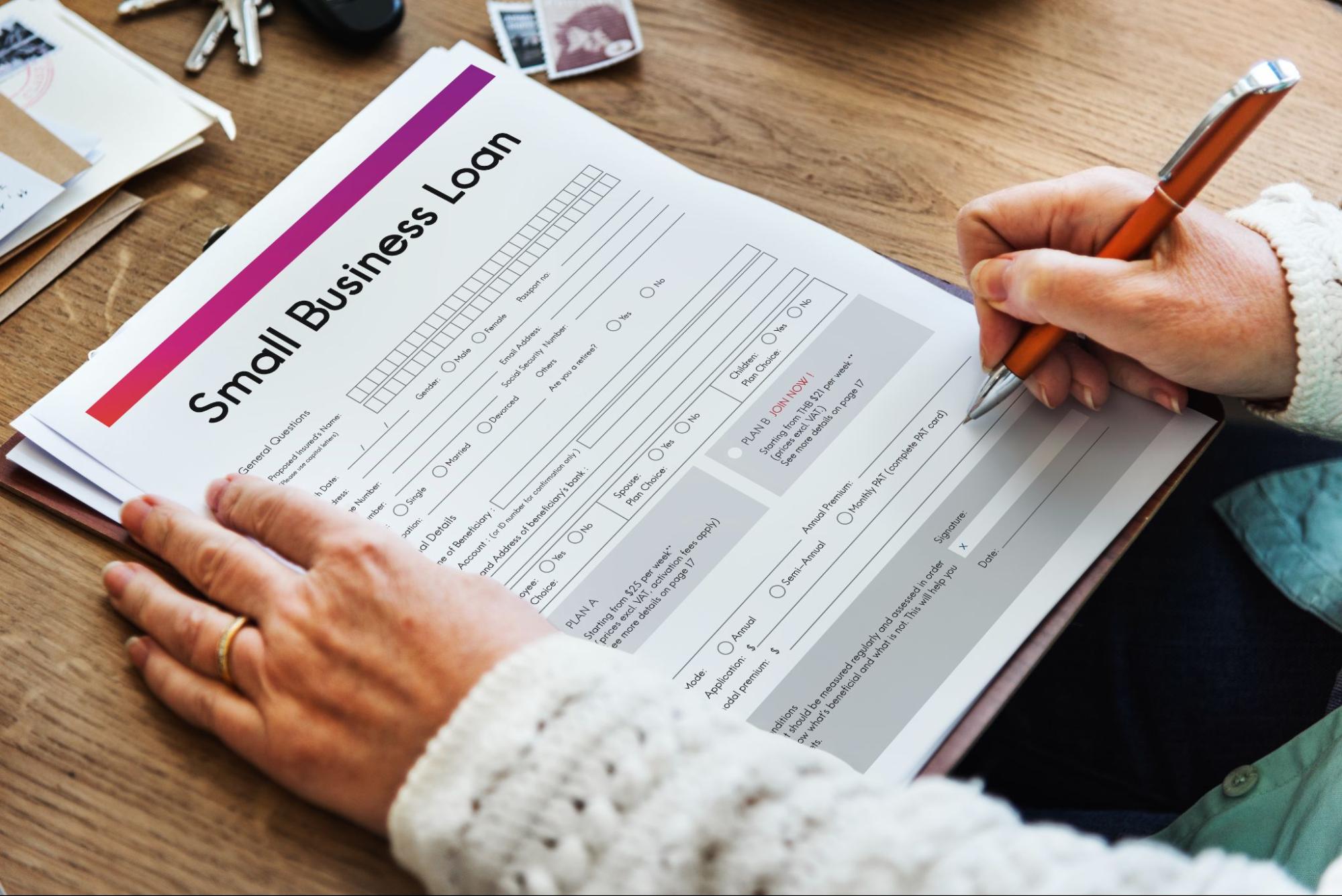
Like all SBA loans, the 504 loan has certain requirements attached to it. You qualify for a SBA 504 loan if:
- You operate as a for-profit company in the United States or its possessions. Nonprofits can’t get this kind of loan. You also have to be engaged actively in business, not speculation.
- Your tangible net worth is less than $15 million.
- Your net income has averaged less than $5 million for the last two years.
- You have a feasible business plan.
- You have sound enough credit to show you should be able to repay the loan.
- You haven’t been able to find a reasonable loan elsewhere.
- You are using the loan for an eligible purpose. This means the purchase of real estate, construction of new buildings, heavy duty machinery or equipment, improvement of facilities, or the improvement of land, including streets, landscaping, and parking lots.
You apply for the loan via a local CDC, who will help you find the right lender. Typically, the loan can be taken for 10, 20, or 25 years.
Contact Us
If you think a SBA 504 loan would help your business, reach out and speak with one of our experts. We can also help with any questions you might have about 504 loans and commercial financing in general. You can also give us a call at 1-800-SBA-REAL (722-7325).